
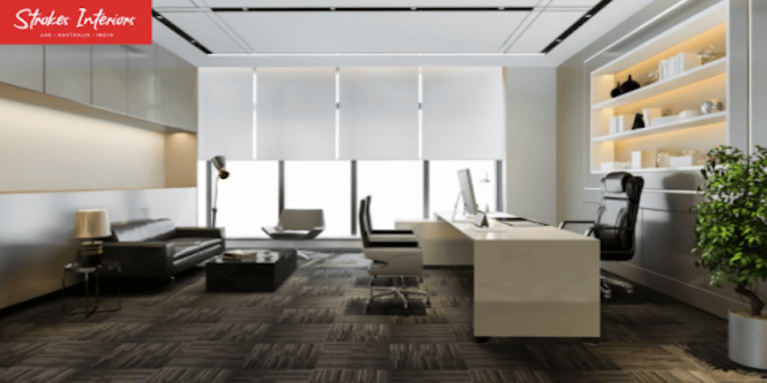
If you spend enough time visiting offices, you start noticing something interesting. Two companies can have the same amount of space, similar budgets, and similar furniture, yet one office feels calm and productive while the other feels tiring within minutes. The difference usually has nothing to do with luxury. It comes down to how the space was planned.
In Dubai, businesses move fast. Teams grow quickly, departments change, and offices often need to adapt sooner than expected. Because of this, dubai office interior design is no longer just about making a workspace look impressive. Companies now expect design to solve everyday problems, noise, lack of privacy, poor flow of movement, and uncomfortable workstations.
Professionals at Strokes Interiors often notice that clients initially focus on finishes or colors. After a few discussions, the conversation shifts to workflow, employee comfort, and how people actually use the space on a typical day. That shift is where good office design really begins.
This article explains what premium office interior design in Dubai really entails and why thoughtful planning matters more than expensive materials.
Objective
To explain how practical and well-planned dubai office interior design improves daily work life, supports productivity, and helps businesses create offices that remain functional as they grow.
Key Takeaways
- Office design affects behavior more than appearance.
- Layout decisions influence productivity and communication.
- Comfort and movement flow matter more than decoration.
- Lighting and acoustics are often overlooked but critical.
- Good design prepares offices for future change.
- Simple planning decisions often create the biggest improvement.
Table Of Contents
- Why Office Design Has Changed In Dubai
- Understanding How People Actually Work
- Space Planning Before Style Decisions
- Layout Choices And Their Real Impact
- Lighting, Mood, And Daily Comfort
- Furniture That Supports Long Work Hours
- Storage And The Psychology Of Clutter
- Technology And Modern Workspace Needs
- Quiet Areas Versus Collaborative Spaces
- Long-Term Thinking In Office Design
- Common Mistakes Businesses Regret Later
Why Office Design Has Changed In Dubai
Ten years ago, many offices followed the same formula. Rows of desks, a few meeting rooms, and private cabins for managers. That model worked when work was predictable and mostly individual. Today, work looks different. Employees attend virtual meetings, collaborate across departments, and shift between focused tasks and discussions throughout the day. Offices must support these changes.
Dubai companies especially feel this shift because business environments here evolve quickly. An office designed only for today may feel outdated within two years. That is why dubai office interior design now focuses heavily on flexibility rather than fixed layouts.
Understanding How People Actually Work
One of the biggest misconceptions about office design is the assumption that people work the same way all day. They do not. A typical employee may need quiet concentration in the morning, collaborative discussion after lunch, and private calls later in the day. When an office forces all activities into one environment, frustration builds. Designers spend time observing workflow patterns before suggesting solutions. Where do people gather naturally? Which areas become noisy? Which desks remain unused?
Understanding behavior often leads to simple but powerful changes.
Space Planning Before Style Decisions
Many businesses start with inspiration images. Sleek desks, statement lighting, and bold colors. But experienced designers slow down the process. Before choosing finishes, they ask practical questions:
- How many people use the office daily?
- Do teams need privacy or constant interaction?
- Where do visitors move when they enter?
- Which areas feel crowded during peak hours?
Planning answers these questions first. Style decisions come later.
Interestingly, offices with strong planning often look better naturally because the space feels balanced.
Layout Choices And Their Real Impact
There is no perfect layout, only the right layout for a specific company. Open offices encourage communication but can quickly become distracting if sound control is ignored. Too many private cabins, on the other hand, can isolate teams. Most modern dubai office interior design projects use a mixed approach. Open areas allow teamwork, while smaller enclosed spaces provide focus when needed. The goal is not visual symmetry. The goal is reducing daily friction.
Lighting, Mood, And Daily Comfort
Lighting changes how people feel more than most realize. Harsh lighting creates fatigue. Dim spaces reduce alertness. Poorly positioned lights create glare on screens. Natural light is highly valued in Dubai offices, but it must be managed carefully. Too much direct sunlight creates heat and discomfort. Balanced lighting combines daylight with soft artificial sources. When done correctly, employees often report feeling less tired without knowing exactly why. Color works similarly. Calm tones help people stay focused longer, while overly strong colors can feel exhausting over time.
Furniture That Supports Long Work Hours
Office furniture is often chosen for appearance first, comfort second. This is usually a mistake.Employees spend many hours seated. Poor seating affects posture, energy levels, and concentration. Adjustable chairs and properly sized desks make a noticeable difference during long workdays. Premium design does not always mean expensive furniture. It means choosing pieces that support real use instead of showroom appearance.
Storage And The Psychology Of Clutter
Storage is one of the most ignored parts of office planning, yet it affects daily work more than people expect. When storage is not properly planned, things slowly start piling up. Files sit on desks. Boxes get pushed into corners. Shared areas become temporary dumping spots. None of this happens overnight, but after a few months the office begins to feel crowded even if there is enough space. What people often don’t realize is that clutter creates mental noise. Employees may not consciously notice it, but messy surroundings make it harder to focus. When someone has to clear space to start working, it already adds friction to the day.
Good storage planning is less about adding cabinets everywhere and more about understanding what actually needs to be stored and how often it is used. Items used daily should be easy to reach. Things used occasionally should be nearby but out of sight. Long-term storage should not interfere with work areas.
In many projects, the biggest improvement comes from small adjustments, shared storage placed closer to teams, built-in units that do not block movement, or hidden compartments that keep desks clear. When storage works properly, the office feels calmer without anyone needing to think about why.
Quiet Areas Versus Collaborative Spaces
One mistake many offices make is assuming everyone works best in the same environment. In reality, people shift between different types of work throughout the day. Sometimes they need discussion and energy around them. Other times they need silence to concentrate. Open spaces are useful because they encourage communication, but constant noise can become tiring. Employees often end up searching for empty meeting rooms to focus. On the other hand, too many enclosed rooms can make a workplace feel disconnected and slow down teamwork.
The balance usually comes from creating choices rather than forcing one style of working. A small quiet room for focused tasks, a casual seating area for quick conversations, and a few flexible meeting spots can change how naturally people move through their day. What works best is not always dramatic design changes. It is simply giving employees the option to step away from noise when needed and return to collaboration when the task requires it. When this balance is right, productivity improves without anyone needing new rules or schedules.
Conclusion
A well-designed office does not draw attention to itself. It simply works. People move comfortably, meetings happen easily, and distractions are reduced. That quiet efficiency is the real goal of premium dubai office interior design.
Strokes Interiors understands that successful workspaces come from understanding people first and design second. When planning supports real behavior, offices remain useful and comfortable long after trends change.
FAQs
- Why Is Office Interior Design Important?
Ans : Because layout and comfort directly affect productivity and employee experience.
- What Layout Works Best Today?
Ans: Flexible layouts that combine open and private areas usually work best.
- Does Lighting Really Matter?
Ans: Yes. Proper lighting reduces fatigue and improves focus.
- Can Smaller Offices Benefit From Design Planning?
Ans: absolutely. Planning often makes small spaces feel larger.
- How Long Does Office Design Take?
Ans: It depends on project size, but planning usually takes several weeks.